See a Better Story
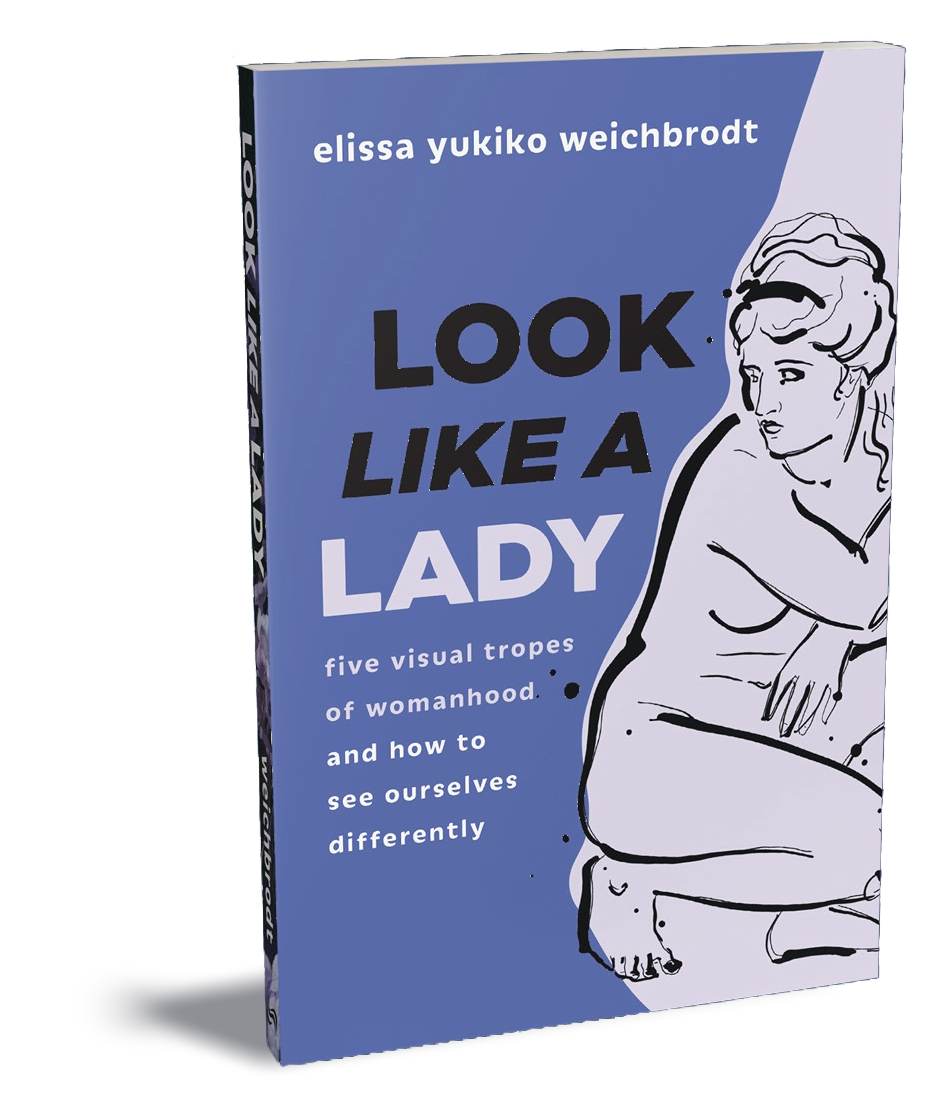
For centuries, art and visual culture have shaped our ideas about what it means to be a woman. But why have we settled for stories that don’t fit? With personal vulnerability and scholarly care, Look Like a Lady uncovers the history behind five limiting visual scripts—and the overlooked counterstories that can free us.
-
![line drawing of venus sculpture]()
VENUS
the idealized body defined by the male gaze
-
![]()
VESSEL
an empty container waiting to be filled with someone else's meaning
-
![]()
MAIDEN
young, passive, and acted upon by outside forces
-
![]()
MOTHER
a romanticized, impossible maternal ideal
-
![]()
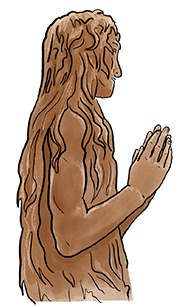
MONSTER
the wild creature in need of taming
-
![]()
WITNESSING
we can look at each other with liberating, generative love
-
![]()
BEING
we can accept the gift and grief of our particular lives
-
![]()
MOVING
we can navigate our own bodies towards faith and wholeness
-
![]()
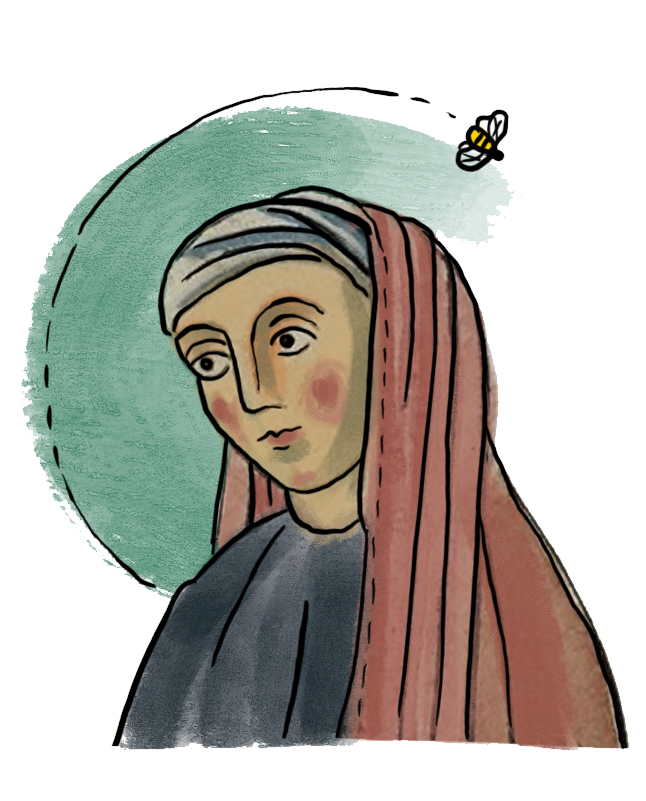
CULTIVATING
we can create and steward new, abundant goodness in and around ourselves
-
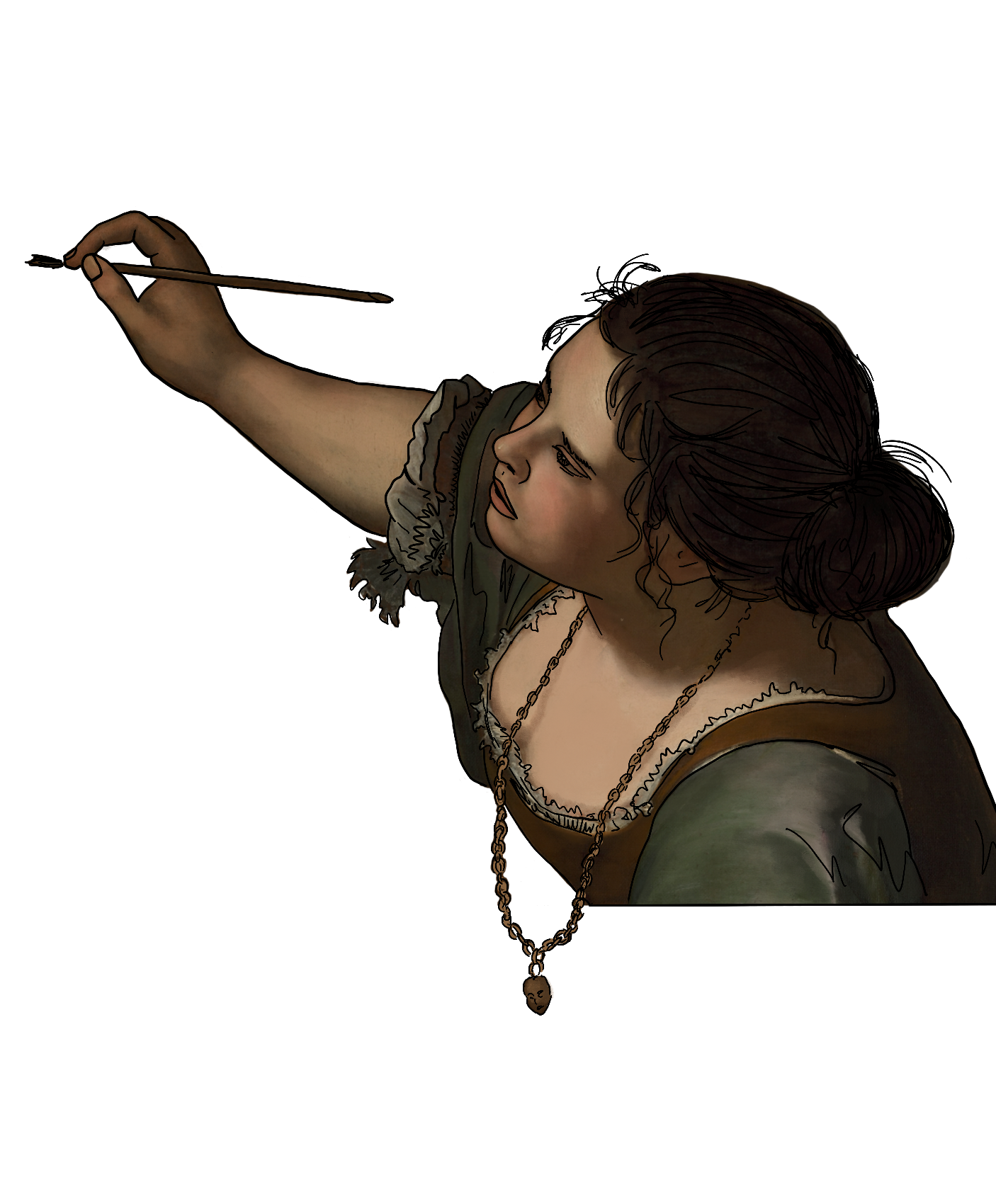
![]()
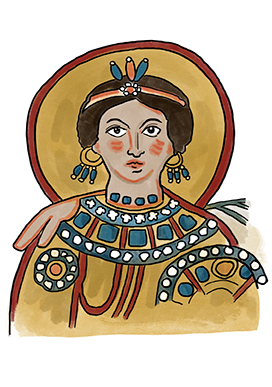
PARTNERING
we can welcome the kingdom side-by-side as good and faithful servants




Meet Elissa
Art historian. Author. Speaker.
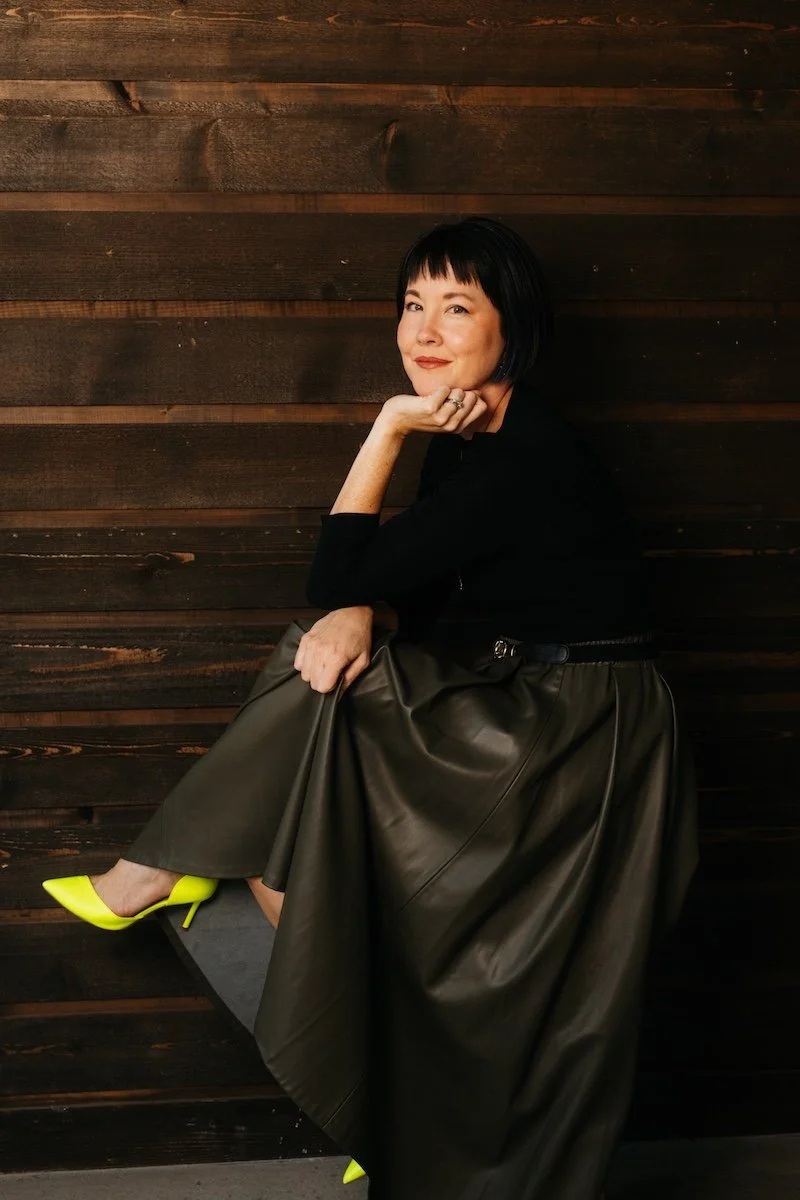
I believe art history isn't just the study of the past; it enables us see ourselves and our world more clearly. I help people discover how images shape what we believe, and how paying closer attention can open up new possibilities for faith and flourishing.
About Look Like a Lady
Images don’t just reflect a culture’s values; they form us as well. And all of us in the west have been shaped by particular images of women. Visual stories or scripts are about more than ideal body types. They are the imaginative threads that hold our disparate experiences in the world together. They tell us not just what we want to look like, but who we are allowed to be in relationship to each other.
Look Like a Lady is my reckoning with five of these stories:
Venus: the beautiful body as an object of sexual desire
Vessel: an allegorical figure or a container for meaning
Maiden: contained, passive, and acted upon by outside forces
Mother: a romanticized, impossible maternal ideal
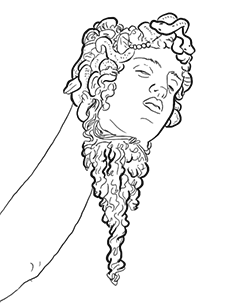
Monster: the wild creature in need of taming



As a girl and young woman, I saw these stories venerated in art historical objects and reiterated in popular culture. The images themselves might have looked different, but the underlying scripts were the same, over and over and over again. And, though they sometimes carried a different inflection, the stories also appeared in the evangelical culture of my youth. These scripts became so familiar that they felt essential, natural, and inescapable.
Studying art history taught me that these visual stories are, in fact, stories. They are scripts that have an origin, that have served social purposes, and that make certain assumptions about race and social class. Learning more about the histories of these tropes drained them of some of their power.
But studying art history also did something else: it introduced me to other visual stories of womanhood. At first I thought the counterstories were only found in contemporary art, from artists who were actively challenging the past. Eventually, however, I realized that alternative stories were there waiting for me, sometimes forgotten, sometimes in plain sight. These artworks made by or for women were not just inversions or reclamations of established tropes. Instead, I found counterstories that echoed God’s heart for his children and expanded my own imagination of womanhood.
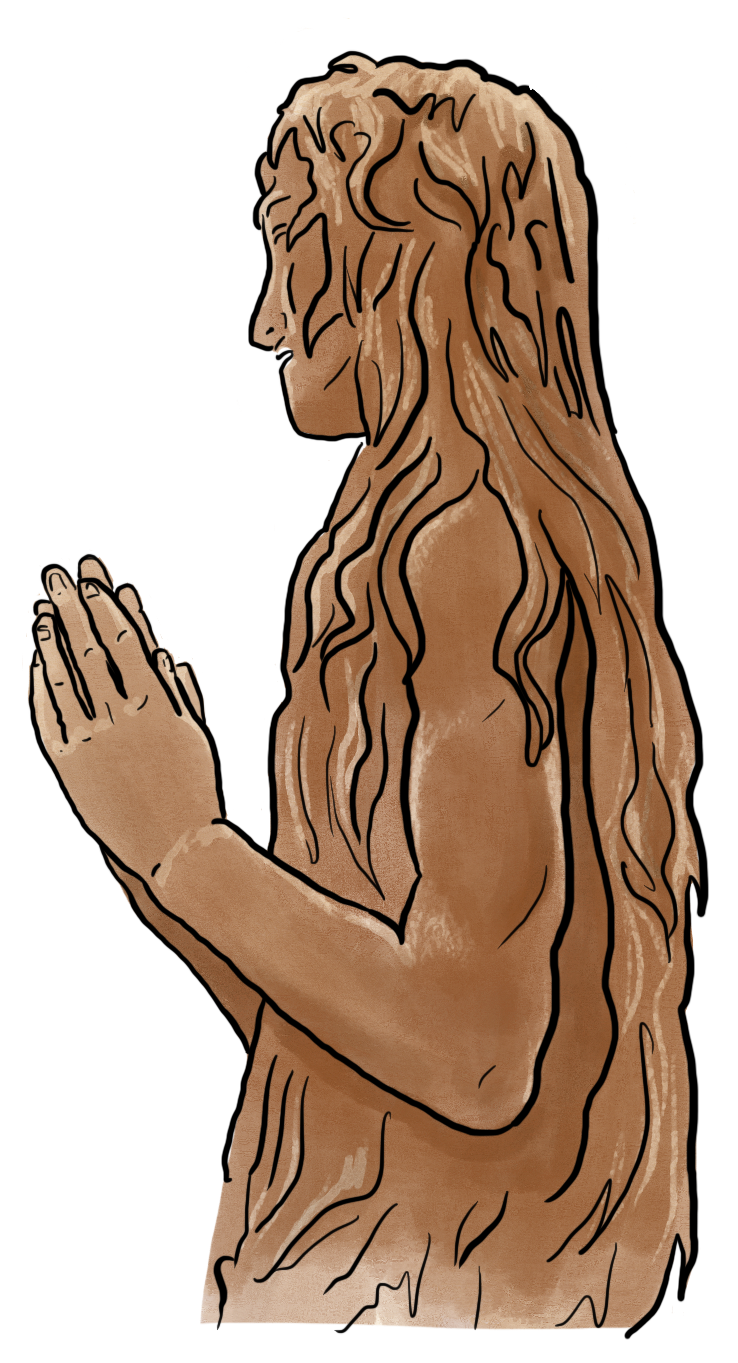
And so, tucked between these familiar tropes, I offer five different visions that begin to evoke the good, abundant possibilities afforded to us:
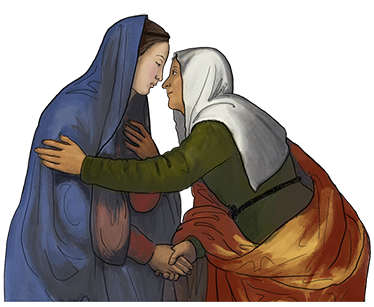
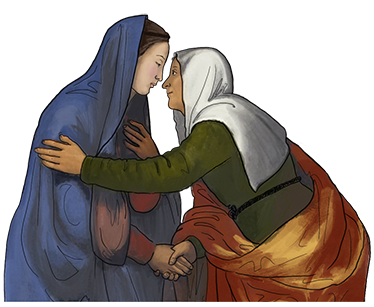
Witnessing
Being
Moving
Cultivating
Partnering
These artworks have changed me, and I want to share them with you.
We can see a better story.